Porchester Square house removals logistics in Bayswater
Moving from, to, or around Porchester Square in Bayswater sounds simple on paper. In real life, though, the logistics can be the part that makes or breaks the day. Narrow streets, shared entrances, resident parking pressure, lift access, timing, and the sheer awkwardness of moving bulky furniture in a busy London setting all add up. That is exactly why Porchester Square house removals logistics in Bayswater deserves proper planning, not a rushed last-minute scramble.
If you have ever watched a sofa trying to turn a tight corner on a quiet mews street, you will know the feeling. The move itself is only one piece of the puzzle. The rest is coordination: access, packing order, vehicle choice, carry distance, stairwells, and making sure the whole thing runs without turning into a stressful puzzle. This guide breaks the process down in plain English, with practical steps, useful comparisons, and local-minded advice that helps you move with less noise, less waste, and fewer surprises.
For readers who want a broader overview of house-moving support, it can also help to look at the wider house removals service and the related home moves page for general planning. Those pages sit alongside this guide and can be useful if your move is not just about one address but the full relocation picture.
Table of Contents
- Why Porchester Square house removals logistics in Bayswater Matters
- How Porchester Square house removals logistics in Bayswater Works
- Key Benefits and Practical Advantages
- Who This Is For and When It Makes Sense
- Step-by-Step Guidance
- Expert Tips for Better Results
- Common Mistakes to Avoid
- Tools, Resources and Recommendations
- Law, Compliance, Standards, or Best Practice
- Options, Methods, or Comparison Table
- Case Study or Real-World Example
- Practical Checklist
- Conclusion
- Frequently Asked Questions
Why Porchester Square house removals logistics in Bayswater Matters
Porchester Square sits in a part of Bayswater where access tends to be the quiet deciding factor. A move can be perfectly organised in the house, yet still stumble if the vehicle cannot park close enough, the lift is small, or a long carry turns a quick job into an hour of stop-start lifting. That is why logistics is not a side detail. It is the job.
In a neighbourhood like this, every extra metre matters. A few minutes of poor planning can mean more labour, more handling, and a higher chance of knocks to walls, doors, or furniture. People often assume removals are about strength. Truth be told, they are much more about sequencing and access. Which item comes out first? Where will it sit in the van? Can the mattress go in before the wardrobe? Small decisions save a lot of noise later.
It also matters because Porchester Square moves often involve a mix of residential layouts: flats, maisonettes, and buildings with shared entrances or tight staircases. That creates a need for clear timing, respectful loading, and sensible vehicle positioning. If you are moving on a weekday morning, you may also be working around busier road conditions and resident activity. So yes, the logistics shape everything.
Expert summary: The smoother Porchester Square removals are usually the ones where access, packing order, vehicle size, and timing are sorted before the first box leaves the flat. The lifting is only the visible part.
How Porchester Square house removals logistics in Bayswater Works
The logistics process usually starts before move day, sometimes several days before if the property is large or access is awkward. A good plan looks at what needs to move, how fragile or heavy each item is, what can be dismantled, and where the vehicle can realistically stop. In central London, the best move plan is the one that respects the street as it actually is, not how you hope it will be at 8am.
Typically, the process works like this:
- Pre-move assessment - The mover checks volume, access, stairs, lift use, parking, and any items that need special handling.
- Packing plan - Boxes are grouped by room and priority, with fragile and essential items separated clearly.
- Vehicle choice - The right van or truck is selected based on load size and local access limits.
- Loading sequence - Heaviest and least fragile items go in first, with clever stacking to protect surfaces.
- Route and timing - The move is timed to avoid unnecessary delay and to keep unloading efficient.
- Unloading and placement - Items are delivered into the correct rooms, not dumped in one pile in the hallway.
If you are comparing move types, the difference between a smaller man and van style move and a larger moving van or moving truck setup can be significant. The right choice depends less on the label and more on whether the access, volume, and handling needs are properly matched.
One practical detail people sometimes miss is the exit path inside the property. A wide sofa can still become a problem if a hallway bends sharply or if the stair landing is tight. That is where a bit of pre-measurement saves a lot of muttering under your breath at the door. It happens.
Key Benefits and Practical Advantages
When the logistics are handled properly, the move feels calmer and more controlled. That is the obvious benefit. But there are several practical advantages that go beyond peace of mind.
- Less handling damage: Fewer unnecessary lifts usually means fewer scuffs, scrapes, and broken corners.
- Better time control: A planned sequence keeps the day moving rather than stalling at each doorway.
- Cleaner packing logic: Room-based packing and labelled boxes make unloading far easier.
- Reduced stress for residents and neighbours: Efficient loading is quieter and less disruptive.
- Smarter vehicle use: Right-sized transport avoids paying for space or time you do not need.
- Safer working conditions: Good logistics reduces rushed carrying and awkward lifting.
There is also a less obvious benefit: confidence. Once you know the plan, the whole move becomes more manageable. You are not wondering where the keys are, whether the mattress will fit, or if the van has been booked too small. That kind of certainty is worth something on a moving day, especially when the kettle is boxed up and the only available coffee is in a paper cup from the corner shop.
For people who need more than basic transport, services like packing and unpacking services can make the logistics far more efficient. And if you are arranging a broader property move, browsing house movers or house removalists may help you understand the level of support available.
Who This Is For and When It Makes Sense
This topic matters most if you are moving within Bayswater, into Porchester Square, or out of the area and need the move to happen without avoidable chaos. It is also relevant if you are in a flat where access is limited, if you own bulky furniture, or if you are moving with children, pets, or a tight timetable.
It makes sense especially for:
- Flat moves with narrow communal areas
- Small family homes with a lot of mixed contents
- Moves involving fragile furniture, artwork, or mirrors
- People who need everything done in one coordinated trip
- Landlords, tenants, and homeowners who need minimal disruption
- Anyone trying to avoid multiple carry legs up and down stairs
If you are relocating a business alongside a home move, you may also want to look at commercial moves or office removals if the logistics involve equipment, files, or furniture that must be kept in order. Not every move is purely domestic, and that is fair enough.
This is also the right approach when you want a more structured service than a simple lift-and-load job. A removal company or more general removal services model can be useful when the move has several moving parts and needs a clear chain of responsibility.
Step-by-Step Guidance
If you want Porchester Square removals to feel orderly, follow a sequence that starts with access and ends with room placement. Simple, but effective.
- Walk the route from front door to vehicle. Check staircases, tight corners, lift access, and the distance to where the van can stop.
- Measure the big items. Sofas, beds, wardrobes, fridge-freezers, and desk units are the usual troublemakers.
- Decide what comes apart. Flat-pack furniture, bed frames, and some tables are easier to move dismantled.
- Group belongings by room. Keep kitchen, bedroom, and essentials separate so the unload is faster.
- Pack a first-night box. Include toiletries, chargers, basic kitchen bits, medications, and a change of clothes.
- Confirm vehicle size and arrival timing. Do not leave this vague. Vagueness is where moving-day headaches breed.
- Protect entry points. Door frames, bannisters, floors, and corners may need coverings or careful handling.
- Load in the right order. Heavy items first, fragile items safely cushioned, lighter boxes stacked to suit the route.
- Unpack room by room. Put essentials where they belong, not in a pile that nobody wants to sort later.
It helps to think in terms of flow. One item should naturally lead to the next. If you are moving from a top-floor flat, for example, the porter path, the lift booking, and the loading point need to work like a chain. If one link is weak, the whole thing slows down. Bit annoying, but true.
For lighter or shorter moves, a man with van arrangement may be enough. For larger or more complex loads, a dedicated removals van or removal van can be the better fit. The job is to match method to the property, not the other way around.
Expert Tips for Better Results
Most moving problems are predictable. That is the good news. A few small habits can make a huge difference.
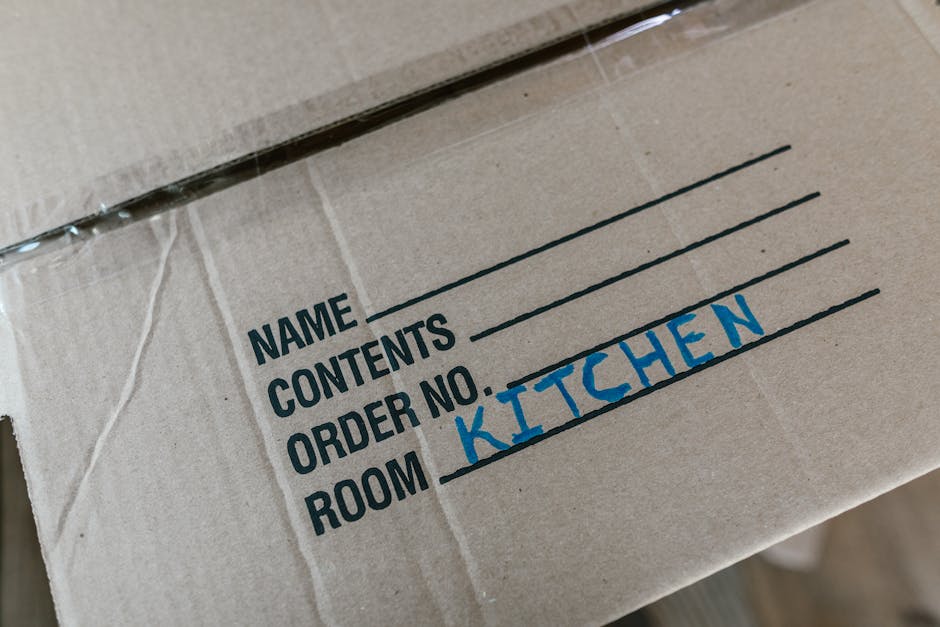
- Label boxes by both room and priority. "Kitchen - first" is much more useful than "misc."
- Photograph cable setups before dismantling. Saves time later, especially with TVs and desks.
- Keep hardware in sealed bags. Tape them to the furniture they belong to, not to a random box.
- Reserve a loading space if needed. Even a legal stop that is awkwardly distant can waste time.
- Use duvet covers or blankets for soft protection. Handy for mirrors, picture frames, and drawer fronts.
- Plan your essentials last out, first in. Saves that slightly panicked rummage at bedtime.
One useful local-minded tip: if your building has a concierge, porter, or house manager, talk to them early. They often know the little quirks that do not appear on a floor plan. Which lift sticks. Which door closes slowly. Where deliveries actually work. Those details can save the day.
And yes, it sounds obvious, but speak clearly to the team on the day. If the green suitcase contains documents and not jumpers, say so. Nobody wants a treasure hunt after a long carry.
If you are still narrowing down the right support, pages such as removals, removal company, and removals near me can help you compare the style of service you want before you book.
Common Mistakes to Avoid
There are a few classic mistakes that show up again and again. Avoiding them is not glamorous, but it is effective.
- Booking a vehicle that is too small. This creates extra trips, extra cost, and extra exhaustion.
- Leaving access checks until move day. That is how people discover an awkward staircase at the worst moment.
- Packing room mixes. A box containing kitchen tools, books, and bedding is a future headache.
- Ignoring dismantling time. Furniture rarely comes apart itself. Sad, but there it is.
- Not separating essentials. You do not want to search for phone chargers in a sea of labels.
- Assuming parking will be simple. In Bayswater, "simple" can be a slippery word.
Another common issue is underestimating how long loading takes when items need to be carried a longer distance. A thirty-second carry becomes a five-minute carry when repeated many times, and suddenly the schedule slips. That is the bit people forget.
The fix is usually planning, not panic. Measure, label, declutter, and ask the right questions early. Much easier than trying to improvise while holding a lamp and a wardrobe door at the same time.
Tools, Resources and Recommendations
You do not need a long list of fancy tools to organise a house move well. You need practical things that make packing, lifting, and checking easier.
| Tool or item | Why it helps | Best used for |
|---|---|---|
| Strong boxes | Protects belongings and keeps stacking easier | Books, kitchenware, clothing |
| Furniture blankets | Reduces scuffs and surface damage | Tables, wardrobes, mirrors |
| Labels and marker pens | Makes unloading faster and more organised | Room-based sorting |
| Tool kit | Useful for dismantling and reassembly | Beds, shelves, desks |
| Stretch wrap | Keeps doors and drawers secure | Cabinets, chests, units |
| Tape and zip bags | Stores screws and fittings neatly | Furniture hardware |
Recommendations are simple here: use sturdy packing materials, avoid overfilling boxes, and keep heavy items in smaller containers where possible. A box that is too heavy is harder to carry, harder to stack, and more likely to split. Not ideal, obviously.
On the service side, it is worth reviewing practical details such as pricing and quotes, insurance and safety, and health and safety policy information before you book. You are not just buying a vehicle. You are buying a process that should feel organised and properly handled.
Law, Compliance, Standards, or Best Practice
For a local house move, compliance is usually about sensible, lawful practice rather than a maze of complicated rules. The main things to keep in mind are parking permissions, safe lifting, proper insurance, and respect for building rules. If a building has time restrictions for moves, lift booking requirements, or access procedures, those should be followed carefully.
From a best-practice point of view, a reputable removals provider should communicate clearly, handle goods with reasonable care, and make sure the right equipment is used for the job. That includes the right vehicle size, safe loading methods, and attention to access issues. Insurance matters too. If there is accidental damage or an issue during transport, you want to know what is covered before move day, not after.
Health and safety is not just paperwork. Lifting awkward items, using staircases, and moving boxes through narrow spaces all carry risk if rushed. Good practice means reducing those risks through planning, protective materials, teamwork, and realistic scheduling.
Payment security and clear terms are also part of good practice. It is sensible to understand how payment works, what is included, and what happens if timings change. The relevant policy pages, such as payment and security and terms and conditions, are useful reference points before you proceed.
Options, Methods, or Comparison Table
Not every move from Porchester Square needs the same setup. The right method depends on volume, access, and how hands-on you want the service to be.
| Option | Best for | Pros | Trade-offs |
|---|---|---|---|
| Man and van | Smaller or simpler moves | Flexible, practical, often efficient | May be less suitable for larger loads |
| Removal van | Medium domestic moves | Good balance of space and manoeuvrability | Still needs careful loading plan |
| Moving truck | Large or heavy moves | Greater capacity, fewer trips | Can be harder in tighter access areas |
| Full removal service | Complex, high-value, or time-sensitive moves | More support, better coordination | Usually requires more planning and cost |
For a compact flat with straightforward access, a lighter solution can be perfect. For a family move with several bulky items, a larger setup may be better. The mistake is choosing based on guesswork rather than the actual content of the property.
A quick rule of thumb: if you are wondering whether the van is big enough, do not assume it is. Check carefully. Guessing is an expensive hobby on moving day.
Case Study or Real-World Example
Here is a realistic example. A couple moving from a second-floor flat near Porchester Square had a king-size bed, a sofa, a dining table, six boxes of books, and several bags of household items. Nothing dramatic. But the building had a narrow entrance hall and a lift that could not comfortably take the sofa upright.
Instead of treating the move as a simple loading job, the plan separated items into three groups: dismantled furniture, soft goods, and fragile boxes. The bed frame was taken apart in advance. Mirrors were wrapped and loaded flat. The books were split into smaller boxes so nobody had to wrestle with overpacked cartons. The van was booked with enough room to avoid a second trip.
What made it work was not speed alone. It was sequencing. The route from the flat to the vehicle was kept clear, the loading order was sensible, and the first-night essentials were packed separately. By the end, the move felt calm enough that the kettle could be found quickly. Which, on a moving day, is nearly the same as victory.
That kind of approach is exactly what good movers focus on: not just shifting items, but managing the process so the day makes sense from start to finish.
Practical Checklist
Use this checklist to keep the logistics tidy. It is simple, but it works.
- Confirm move date and access times
- Check parking or stopping arrangements near Porchester Square
- Measure large furniture and doorways
- Decide what will be dismantled
- Pack fragile items with extra protection
- Label boxes by room and priority
- Prepare a first-night essentials bag
- Keep hardware and cables in clearly marked bags
- Protect floors, corners, and bannisters where needed
- Review insurance, payment, and terms before booking
- Choose the right vehicle size for the load
- Plan the unload room by room
If you want extra reassurance, it can be useful to discuss the move with a team that understands both domestic moving and the quirks of local access. A good conversation early on often saves a lot of awkwardness later. Honestly, it really does.
Get a free quote today and see how much you can save.
Conclusion
Porchester Square house removals logistics in Bayswater is ultimately about making a busy urban move feel controlled, safe, and reasonably calm. The best moves are rarely the fastest ones on paper. They are the ones where access is checked, packing is intentional, the vehicle fits the job, and everyone knows what happens next.
That is the real value of planning well. Less stress, fewer delays, and a move that feels handled rather than improvised. Whether you are moving a compact flat or a full family home, the right logistics turn a difficult day into a manageable one. And that makes a difference you can feel, right there in the first hour.
For support that is organised, local-aware, and practical, it helps to start with a service approach built around the move itself rather than just the mileage. Small detail, big payoff. A proper plan tends to calm everything down.
Frequently Asked Questions
What does Porchester Square house removals logistics in Bayswater actually include?
It includes planning the access route, choosing the right vehicle, organising packing and loading, timing the move, and making sure furniture and boxes are handled efficiently from the property to the new address.
Why is logistics such a big deal for a move in Porchester Square?
Because local access, parking, and building layouts can make a straightforward move more complicated than people expect. A good logistics plan reduces delays, handling issues, and unnecessary carrying.
Should I book a man and van or a larger removal vehicle?
It depends on the size of your load and the access at both properties. Smaller moves may suit a man and van setup, while larger homes may need a more spacious vehicle.
How early should I start planning the move?
As early as possible. Even a short move benefits from a few days of planning, while larger or more complex moves are easier to handle when access, packing, and vehicle choice are sorted in advance.
What are the most common problems during a Bayswater house move?
The biggest issues are usually parking, lift restrictions, narrow staircases, overpacked boxes, and underestimating the time needed to load and unload bulky items.
Do I need to dismantle furniture before the move?
Not always, but it often helps with tight access and faster loading. Beds, shelving, and some tables are usually easier to move when partly dismantled.
How can I protect fragile items properly?
Use strong boxes, cushioning materials, and clear labels. Keep fragile items separate from heavy goods and avoid filling boxes too tightly.
What should go in my first-night box?
Put in essentials such as toiletries, chargers, medication, a change of clothes, basic kitchen items, and important documents so you do not have to search through every box that evening.
Are there safety or insurance questions I should ask before booking?
Yes. It is sensible to ask about insurance cover, handling methods, payment terms, and any relevant safety procedures. Reviewing insurance and safety details before booking is a good habit.
Is a full removal service better than a basic transport-only option?
For some moves, yes. If the property has difficult access, a lot of items, or a tight schedule, a fuller service can make the process much smoother. For simpler moves, a lighter service may be enough.
What should I do if my building has moving restrictions?
Check the building rules early, including lift use, loading times, and access arrangements. Then plan around them rather than trying to work around them on the day.
Where can I find more information before I book?
Useful starting points include pricing and quotes, about us, and contact us for the next step in the booking process.